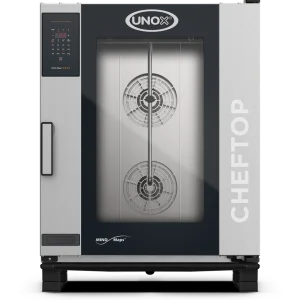
In the evolving world of culinary technology, the combi steamer has emerged as one of the most versatile and valuable appliances in professional and commercial kitchens. Designed to combine the power of convection heat with steam cooking, this innovative equipment allows chefs to prepare a wide variety of dishes with precision, efficiency, and consistent quality. From restaurants and hotels to bakeries and catering services, the combi steamer has transformed how food is cooked, making it easier to maintain flavor, texture, and nutritional value while improving kitchen productivity.
A combi steamer works by integrating three cooking methods into a single appliance: convection heat, steam, and a combination of both combi steamer. Convection cooking circulates hot air around food, creating even heat distribution and helping dishes develop a crisp outer texture. Steam cooking introduces moisture, which keeps ingredients tender and prevents them from drying out. When both functions are combined, the appliance can produce dishes that are both juicy and perfectly browned. This versatility makes the combi steamer suitable for roasting meats, baking bread, steaming vegetables, cooking seafood, and even reheating prepared meals without sacrificing quality.
One of the most significant advantages of a combi steamer is its ability to preserve the natural flavor and nutrients in food. Traditional cooking methods often cause ingredients to lose moisture and vitamins due to excessive heat exposure. However, the steam function of a combi steamer helps retain essential nutrients, especially in vegetables and delicate proteins. This makes it an excellent choice for health-conscious cooking, where maintaining nutritional integrity is just as important as achieving delicious results.
Efficiency is another reason why the combi steamer has gained popularity in modern kitchens. In busy food service environments, time and consistency are crucial. A combi steamer allows chefs to cook multiple dishes simultaneously without mixing flavors, thanks to its controlled environment and even airflow. For example, vegetables, fish, and poultry can be cooked at the same time while maintaining their unique tastes and aromas. This not only speeds up meal preparation but also maximizes kitchen output during peak service hours.
Energy efficiency also plays an important role in the growing demand for combi steamers. Many modern models are designed with advanced technology that optimizes energy use and reduces cooking time. Because the appliance can handle multiple cooking tasks in one chamber, it eliminates the need for several separate pieces of equipment. This consolidation helps commercial kitchens save on electricity, space, and maintenance costs while maintaining high cooking standards.
Another remarkable feature of a combi steamer is its precision control. Many units come with digital interfaces that allow chefs to set exact temperature, humidity, and cooking time. Some advanced models even include pre-programmed recipes and automatic cooking modes that adjust conditions throughout the cooking process. This level of control ensures consistent results regardless of who operates the equipment, making it especially useful in large kitchens with multiple staff members. The ability to replicate the same dish perfectly every time is invaluable for restaurants that aim to maintain a strong reputation for quality.
In addition to professional kitchens, the combi steamer is gradually becoming popular in smaller establishments and specialized food businesses. Bakeries, for example, benefit greatly from the steam function, which helps create crisp crusts on bread while keeping the interior soft and airy. Similarly, catering services rely on combi steamers to prepare large quantities of food quickly while maintaining freshness. Even institutional kitchens such as hospitals and schools appreciate the appliance for its ability to produce nutritious meals efficiently.
Another benefit of the combi steamer is its role in reducing food waste. Because the appliance offers precise temperature and humidity control, it minimizes the risk of overcooking or burning ingredients. Foods retain their moisture and structure, which improves presentation and reduces the need to discard imperfect dishes. In a commercial kitchen where ingredients represent a significant portion of operating costs, reducing waste can have a noticeable financial impact.
Cleaning and maintenance are also easier with modern combi steamers. Many units include automated cleaning systems that use specialized solutions to remove grease and residue after cooking sessions. This feature not only saves time but also ensures that the equipment remains hygienic and ready for the next use. Maintaining cleanliness in a kitchen environment is essential for food safety, and the built-in cleaning technology helps staff meet strict hygiene standards with minimal effort.
The adaptability of a combi steamer encourages creativity in cooking as well. Chefs can experiment with different combinations of steam and heat to achieve unique textures and flavors. For instance, meats can be slowly roasted with controlled humidity to remain tender, while vegetables can be lightly steamed to preserve color and crunch. Desserts, baked goods, and delicate pastries can also be produced with exceptional consistency. This flexibility allows culinary professionals to expand their menus and introduce new dishes without investing in additional equipment.
Sustainability has become an important consideration in the food service industry, and the combi steamer contributes positively in this area. By using less water and energy compared to traditional cooking methods, it helps reduce the environmental footprint of commercial kitchens. The ability to cook efficiently while conserving resources aligns with the growing demand for environmentally responsible practices in the hospitality sector.
As kitchen technology continues to advance, the combi steamer is expected to become even more sophisticated. Future models may include smarter sensors, remote monitoring capabilities, and integration with digital kitchen management systems. These developments will allow chefs and kitchen managers to track cooking processes, adjust settings remotely, and ensure optimal performance at all times. The integration of technology will further enhance the convenience and reliability that combi steamers already provide.
In conclusion, the combi steamer has established itself as a cornerstone of modern culinary operations. Its ability to combine steam and convection cooking offers unmatched versatility, enabling chefs to prepare a wide range of dishes with exceptional quality and efficiency. By preserving nutrients, improving productivity, reducing waste, and supporting sustainable practices, this innovative appliance continues to shape the future of professional kitchens. As more food establishments recognize its benefits, the combi steamer will remain a key tool for delivering consistent, flavorful, and high-quality meals in an increasingly competitive culinary landscape.